
You’re out there crushing your workouts, hitting the trails, or maybe just keeping up with a busy life. But have you ever thought about what happens after the sweat session? Recovery is where the real magic happens—your muscles rebuild, your energy recharges, and your body gets ready for the next challenge. One key metric to understand your recovery is your blood oxygen level (SpO2), and your Nexu Ring is tracking it 24/7. In this post, we’ll explore what SpO2 tells you about your recovery, how your Nexu Ring helps you optimize it, and practical tips to ensure you’re bouncing back stronger. Let’s dive in and make recovery your superpower!
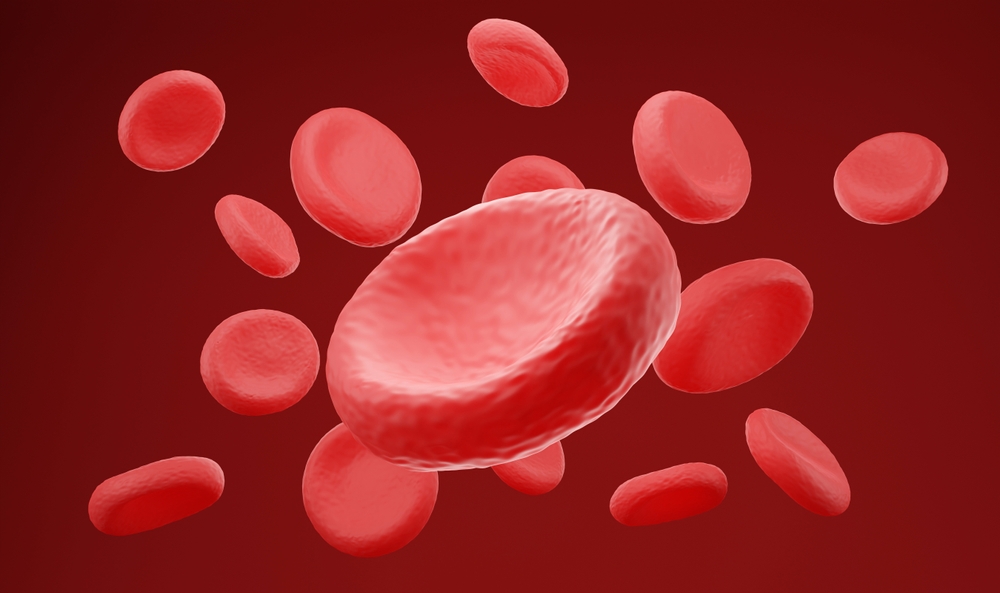
Your blood oxygen level, or SpO2, measures the percentage of oxygen carried by your red blood cells to your muscles, brain, and organs. Oxygen is like fuel for recovery—it powers the repair of muscle tissue, replenishes energy stores, and supports overall healing after exercise. Normal SpO2 levels range from 95% to 100%, but they can dip during intense activity or sleep, especially if recovery is suboptimal.
Low SpO2 during or after exercise might mean your body is struggling to deliver enough oxygen to repair tissues, while nighttime drops could signal issues like sleep apnea, which disrupts recovery. For Nexu Ring users, tracking SpO2 provides a window into how well your body is recovering, helping you fine-tune your routine to avoid fatigue or overtraining.
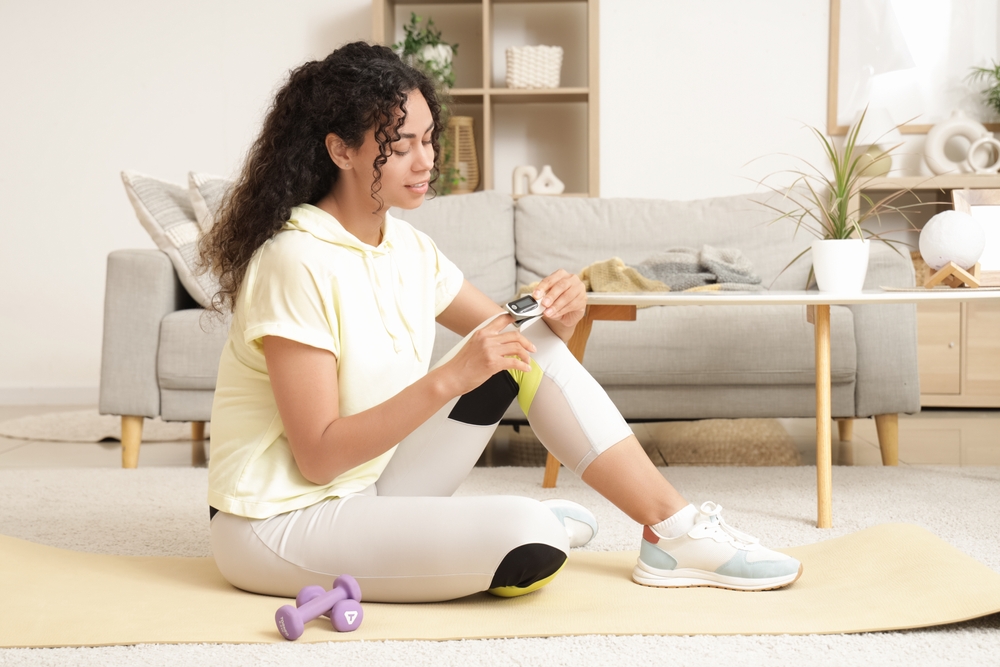
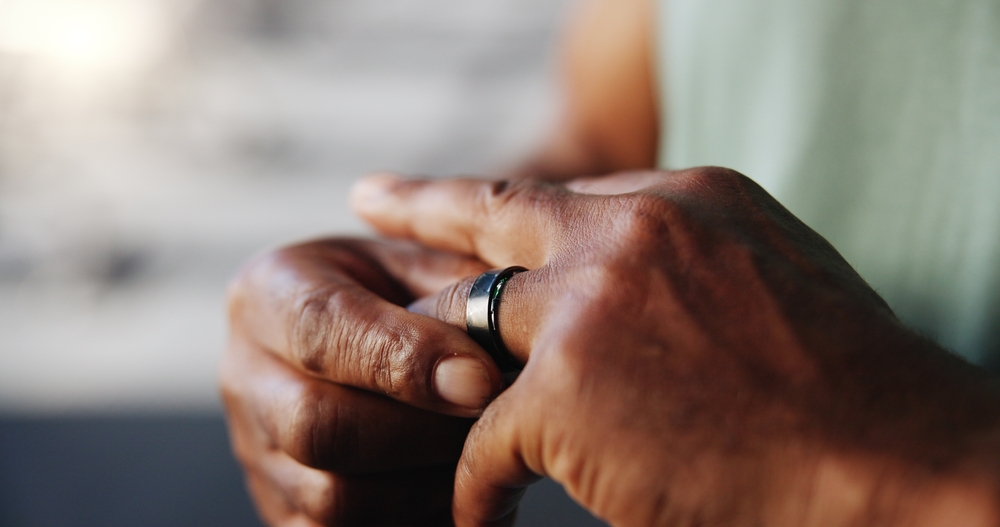
Your Nexu Ring uses pulse oximetry, a non-invasive technology that shines light through your finger to measure oxygen saturation. This allows continuous monitoring, unlike traditional pulse oximeters used only in medical settings. Here’s how it supports your recovery:
A 2024 study found that wearables with SpO2 tracking can identify recovery issues by detecting nighttime oxygen desaturation, especially in athletes or those with sleep disorders. Your Nexu Ring’s data empowers you to make informed decisions about rest and recovery.
Your SpO2 levels can reveal a lot about how well you’re recovering. Here’s what to look for:
After a workout, your SpO2 may dip temporarily due to increased oxygen demand. A quick return to 95%-100% within minutes indicates good cardiovascular fitness and recovery. If your Nexu Ring shows prolonged low SpO2 (e.g., below 90% for several minutes), it might suggest overtraining or inadequate rest.

During sleep, your body repairs tissues and releases growth hormones, both reliant on adequate oxygen. Nighttime SpO2 drops below 90% could indicate obstructive sleep apnea (OSA), which disrupts sleep quality and recovery. A 2023 study noted that wearables can detect OSA-related desaturation events with 90% accuracy, making your Nexu Ring a valuable tool.
Chronic low SpO2, especially paired with high heart rate or low heart rate variability (HRV), may signal overtraining syndrome. This condition slows recovery, increases injury risk, and causes fatigue. Your Nexu Ring’s combined metrics (SpO2, HRV, and readiness score) help you catch this early.
High altitudes or poor air quality can lower SpO2, affecting recovery. If you’re training in a city with pollution or at elevation, your Nexu Ring can track how these factors impact your oxygen levels and recovery.
| SpO2 Scenario | Recovery Implication | Nexu Ring Action |
|---|---|---|
| Post-Exercise Dip | Normal if brief; prolonged suggests poor recovery | Monitor return to 95%+ |
| Nighttime Drops | May indicate sleep apnea or poor sleep quality | Check sleep SpO2 trends |
| Chronic Low SpO2 | Possible overtraining or health issue | Review HRV, readiness score |
| Altitude Effects | Temporary dips normal; monitor adaptation | Track SpO2 during travel |

Here are eight actionable tips to improve your blood oxygen levels and enhance recovery, tailored for Nexu Ring users:

Even dedicated Nexu Ring users can miss recovery cues. Here are pitfalls to avoid:
Oxygen is critical for muscle protein synthesis (MPS), the process that repairs muscle tissue after exercise. Low SpO2 reduces oxygen availability, slowing MPS and recovery. During deep sleep, oxygen supports growth hormone release, which aids tissue repair. Studies show that SpO2 below 90% during sleep can reduce recovery efficiency by up to 15% [arXiv:2505.20846].
Your Nexu Ring’s pulse oximetry has a sensitivity of 92% for detecting hypoxia, making it reliable for wellness tracking, though not for medical diagnosis [Verywell Health]. Factors like skin tone or movement can affect accuracy, but recent advancements improve reliability across diverse users [Ridgmount Practice].
Meet Alex, a Nexu Ring user and marathon runner. After noticing frequent SpO2 drops to 88% during sleep, Alex felt fatigued despite training hard. Using their Nexu Ring’s data, they adjusted their sleep position to side-lying and added deep breathing exercises. Within two weeks, their nighttime SpO2 stabilized at 96%, and their readiness score improved, leading to better race performance. This shows how your Nexu Ring can turn data into recovery wins.
Your Nexu Ring is a wellness tool, not a medical device. If you notice:
Wearable tech is evolving, with smart rings like the Nexu Ring leading the way. By 2026, the wearable market is expected to grow 25% annually, driven by demand for recovery-focused features [Wareable]. AI-driven insights and improved sensors could soon predict recovery issues before symptoms appear, making your Nexu Ring even more powerful.
Your blood oxygen data is a key to unlocking better recovery. By tracking SpO2 with your Nexu Ring, you can spot issues like poor sleep or overtraining, optimize your routine, and come back stronger. Use these tips, check your app regularly, and listen to your body. If something feels off, don’t hesitate to seek medical advice. Here’s to recovering smarter and thriving with your Nexu Ring!
